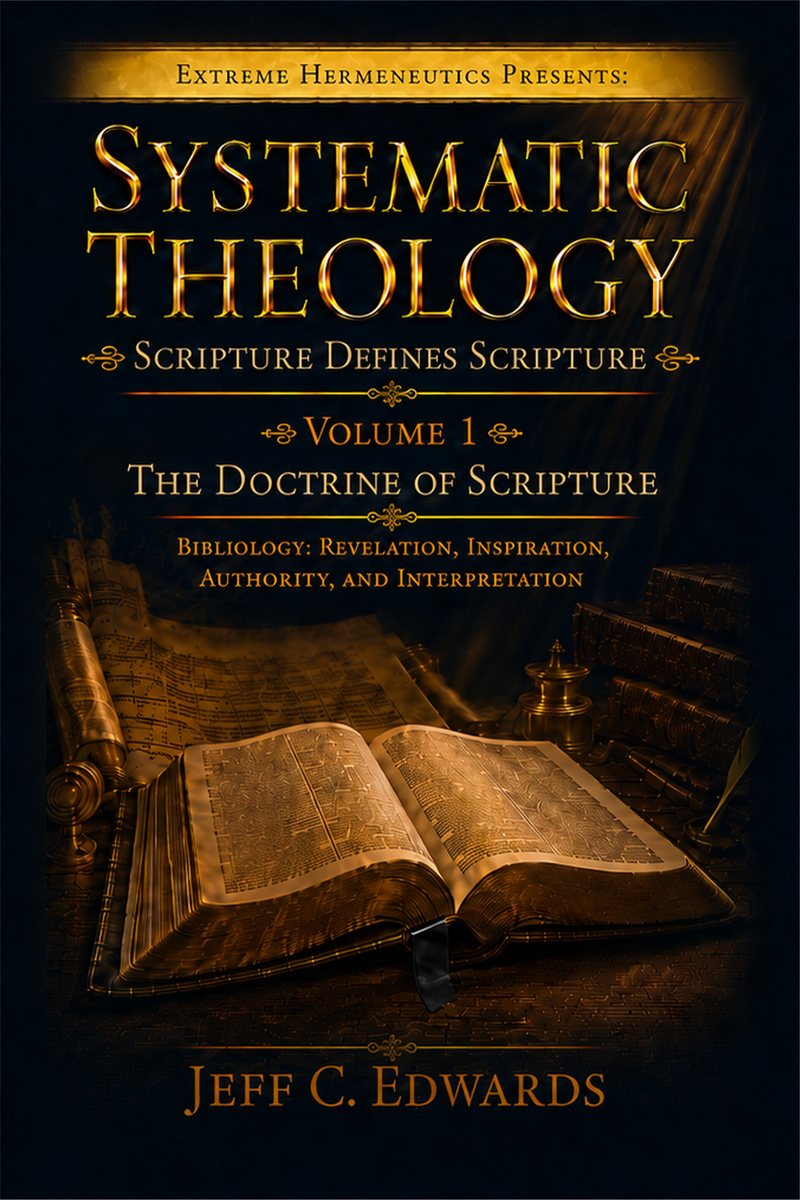
To call the Bible the Word of God is not to deny its many human writers, languages, settings, and literary forms. It is to confess what Scripture says of itself: God spoke through those writers, giving His people a truthful and enduring written witness that rules doctrine and life.
READ THE KEY PASSAGES
Begin with what
Scripture says.
2 Timothy 3:16–17All scripture is given by inspiration of God, and is profitable for doctrine, for reproof, for correction, for instruction in righteousness.
2 Peter 1:21Holy men of God spake as they were moved by the Holy Ghost.
Hebrews 4:12For the word of God is quick, and powerful, and sharper than any twoedged sword.
01
God has spoken in Scripture
John 17:17Sanctify them through thy truth: thy word is truth.
God did not leave His revelation to fading memory, private experience, or competing religious claims. The Scriptures are God-breathed. Their human authors wrote in real history, yet the Holy Spirit moved them so that what they wrote is the Word God gave.
This makes Scripture a public authority. It can be read, tested, taught, translated, and compared. No teacher, experience, tradition, or inner impression may stand above it.
Scripture has authority because the God who cannot lie has spoken through it. Its authority does not rest on a church, a scholar, or a reader deciding to accept it; those authorities must instead be tested by the written Word.
02
God’s Word is truthful and sufficient
Matthew 4:4Man shall not live by bread alone, but by every word that proceedeth out of the mouth of God.
Jesus called God’s Word truth. Because God does not lie, His written Word does not mislead His people in what He intends to teach. Scripture is sufficient for doctrine, correction, training, and the life of faith God requires.
Sufficiency does not mean the Bible answers every curiosity or replaces ordinary wisdom. It means believers do not need another doctrinal authority to complete the faith God has given.
Careful interpretation protects readers from using an isolated phrase to support an idea the passage itself does not teach. The Bible should be read in its immediate setting and in harmony with the whole counsel of God.
03
The Word must be read in context
Psalm 19:7The law of the LORD is perfect, converting the soul.
Since Scripture is God’s Word, it must be received as God gave it. Verses are not loose fragments for a reader to reshape. Context, grammar, covenant setting, and the Bible’s own repeated language all matter.
Scripture interprets Scripture. Later revelation may clarify and fulfill earlier revelation, but it never makes God’s earlier words false. The goal is not cleverness; it is to hear the God who has spoken.
The sufficiency of Scripture does not remove the need for teachers, but it places every teacher beneath Scripture. No tradition, experience, or theological system has permission to correct what God has said.
04
The Word calls for obedience
James 1:22Be ye doers of the word, and not hearers only.
The Bible is not a storehouse of information for winning arguments. It searches the heart, exposes sin, gives comfort, and equips believers for good works. A reader who claims reverence for the Word while refusing its correction has not received it rightly.
Obedience does not earn salvation. It is the fitting response of those who have received God’s grace in Christ and desire to walk beneath His authority.
The purpose of receiving God’s Word is not information alone. God speaks so that His people may know Christ, be corrected by truth, and walk in faithful obedience.
PUT IT INTO PRACTICE
Questions for further reading.
- 01
What does ‘given by inspiration of God’ require us to believe about Scripture?
- 02
Why does sufficiency rule out a rival doctrinal authority?
- 03
Where does the Word most need to correct your own thinking or conduct?
Read patiently. Let God’s Word speak.
The Bible is the Word of God: breathed out by Him, truthful, sufficient, and authoritative. Christians should read it carefully, let it interpret itself, and obey it as the living voice of the God who has spoken.