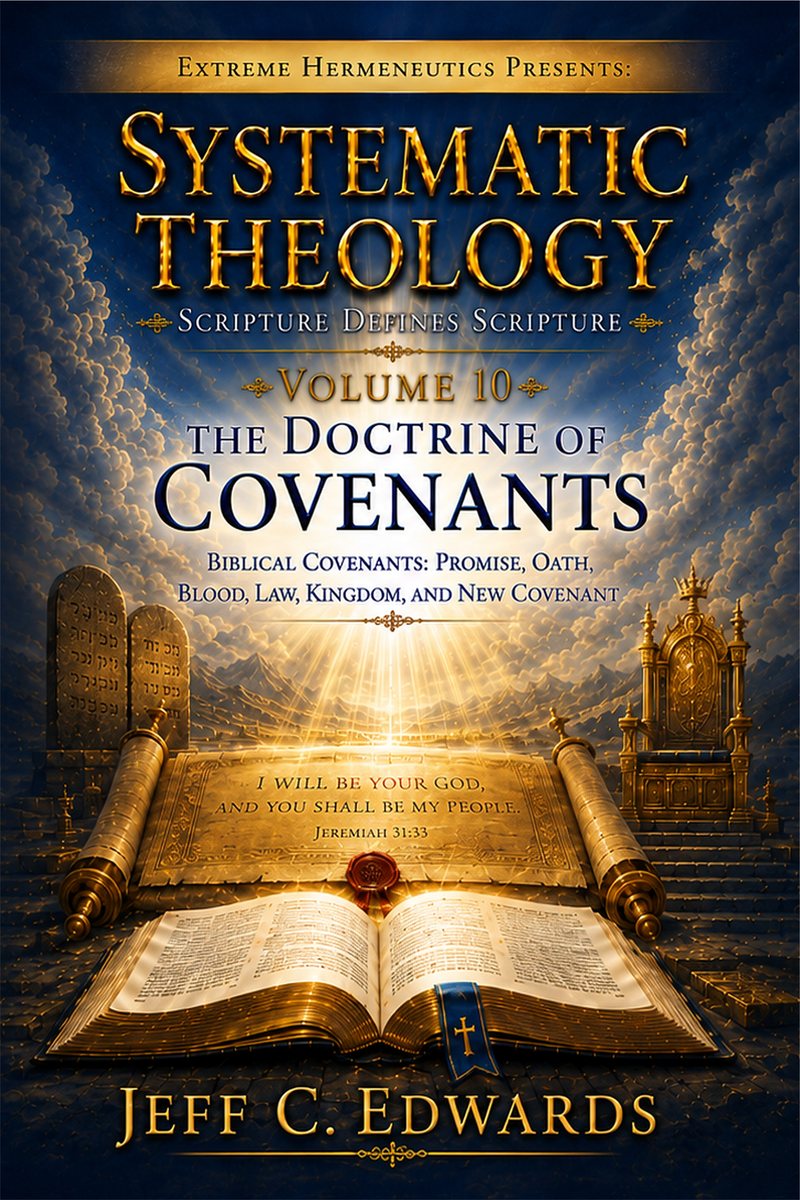
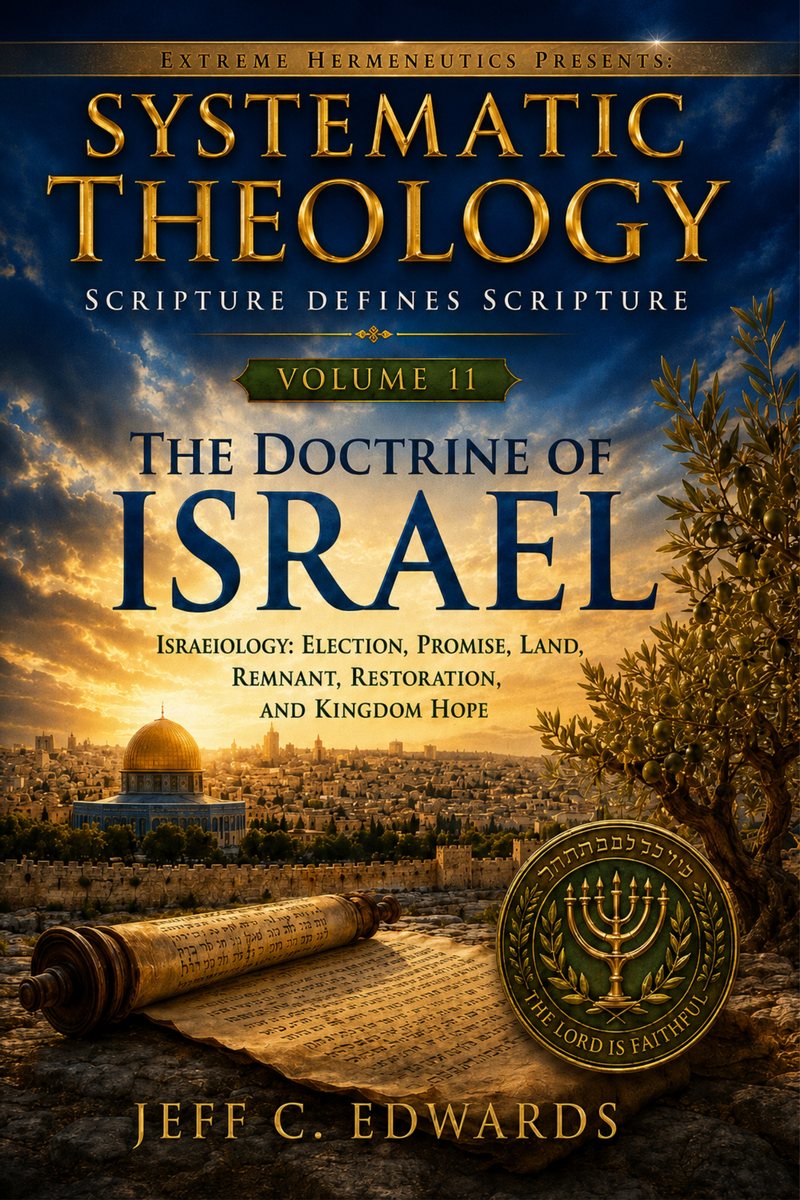
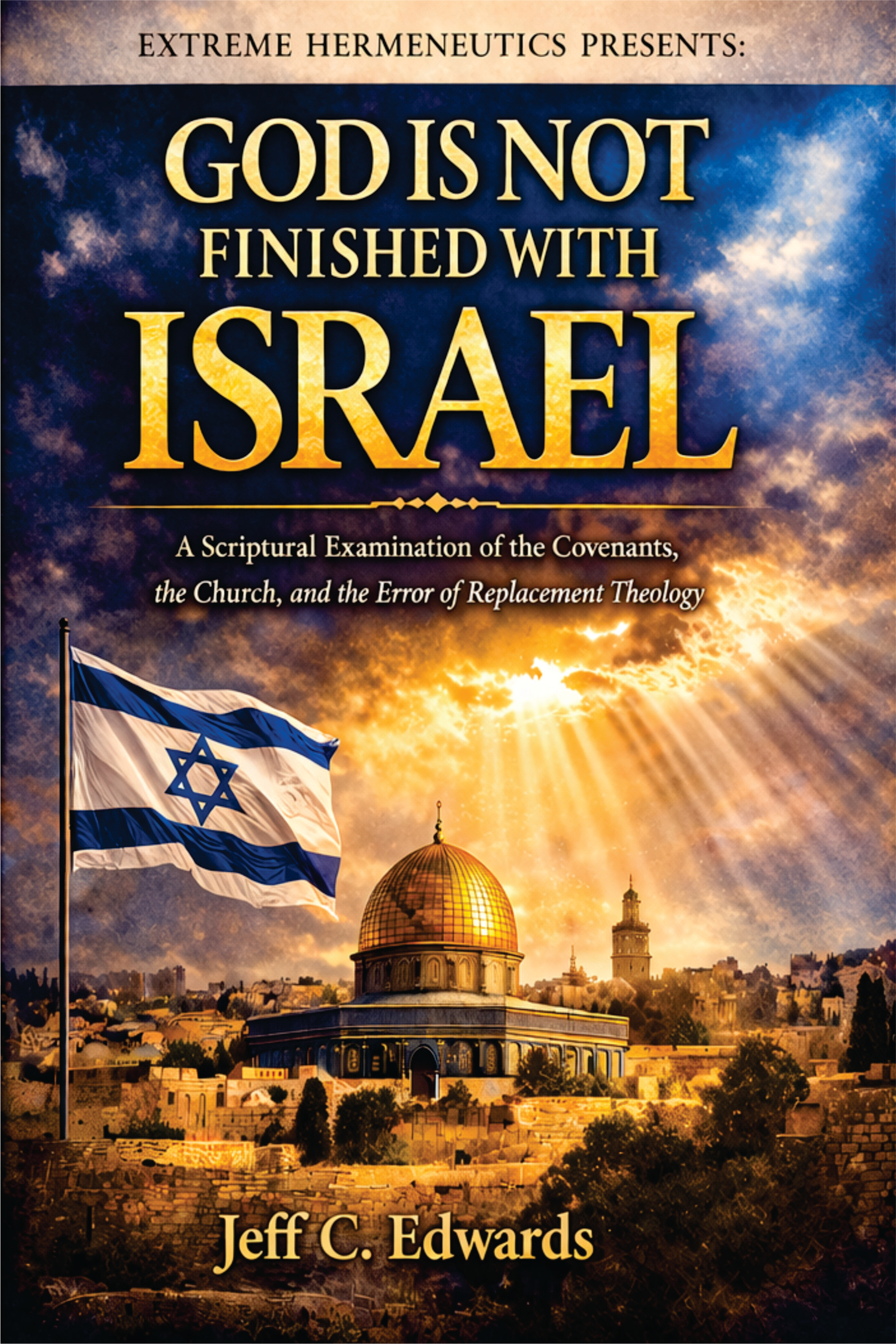
The Bible unfolds across centuries, covenants, prophets, and apostles. Because God gives later light, Christians must take progressive revelation seriously. But later light is not a license to say that God’s earlier words no longer mean what He said. This study asks a simple question: when the New Testament speaks of fulfillment in Christ, does it cancel the promises God gave before Christ came?
READ THE KEY PASSAGES
Begin with what
Scripture says.
Matthew 5:17–18Think not that I am come to destroy the law, or the prophets: I am not come to destroy, but to fulfil. For verily I say unto you, Till heaven and earth pass, one jot or one tittle shall in no wise pass from the law, till all be fulfilled.
Romans 11:25–29For I would not, brethren, that ye should be ignorant of this mystery, lest ye should be wise in your own conceits; that blindness in part is happened to Israel, until the fulness of the Gentiles be come in. And so all Israel shall be saved: as it is written, There shall come out of Sion the Deliverer, and shall turn away ungodliness from Jacob: For this is my covenant unto them, when I shall take away their sins. As concerning the gospel, they are enemies for your sakes: but as touching the election, they are beloved for the fathers’ sakes. For the gifts and calling of God are without repentance.
2 Corinthians 1:20For all the promises of God in him are yea, and in him Amen, unto the glory of God by us.
01
Start with the character of the God who promises
Numbers 23:19God is not a man, that he should lie; neither the son of man, that he should repent: hath he said, and shall he not do it?
The question cannot be answered merely by choosing a convenient definition of fulfillment. It begins with God Himself. The Lord does not lie, change His mind as a man does, or speak words that become misleading when a later part of Scripture is read. His covenant promises rest on His truthfulness. If an interpretation makes His earlier speech unreliable, that interpretation has already placed pressure on the character of God.
This is why the Bible repeatedly ties promise to oath, mercy, and faithfulness. God did not promise Abraham seed, land, blessing, and a future simply to give Israel a temporary religious picture. He spoke and bound Himself by His own Word. The reader must allow the full content of what God attached to a promise to remain meaningful while tracing how Christ brings that promise to its appointed fullness.
02
Fulfillment is not destruction
Matthew 5:17Think not that I am come to destroy the law, or the prophets: I am not come to destroy, but to fulfil.
Jesus said that He came not to destroy the Law or the Prophets, but to fulfill them. That statement rules out a false choice. Christ is not an enemy of the Old Testament; He is the One to whom its sacrifices, offices, promises, and prophecies ultimately lead. Yet He does not fulfill Scripture by proving that its actual words were never important. He fulfills it as the faithful Son who establishes the truth of what the Father spoke.
A sacrifice fulfilled in Christ does not continue as a required offering, because Scripture itself explains its completion in His once-for-all work. A priesthood may be surpassed by the greater priesthood of Christ, because the Bible itself provides that development. But it does not follow that every promise containing land, throne, Israel, kingdom, nations, or restoration becomes a vague symbol. Fulfillment must be defined by the particular promise and by Scripture’s own explanation of it.
03
Read promises in their covenant setting
Genesis 17:8And I will give unto thee, and to thy seed after thee, the land wherein thou art a stranger… for an everlasting possession.
Promises do not float through the Bible as detached religious phrases. The Abrahamic covenant is joined to seed, land, and blessing. The Davidic covenant is joined to a house, a throne, a kingdom, and a Son. The prophets speak of restoration, cleansing, the Spirit, Israel, Jerusalem, and the nations. Each must be heard in the covenant and historical setting in which God gave it.
The New Testament brings decisive light because Christ is central to every saving purpose of God. It reveals the blessing of the nations through the promised Seed and the riches of New Covenant mercy. But it does not authorize a reader to redefine every earlier word without biblical warrant. The proper question is not, ‘Can I make this promise mean something spiritual?’ The proper question is, ‘How does Scripture itself show this promise being fulfilled?’
04
Romans 11 forbids the idea of final rejection
Romans 11:1I say then, Hath God cast away his people? God forbid.
Romans 11 speaks directly into this question. Israel’s unbelief is real; Paul does not minimize it. There are broken branches, a present hardening in part, and a solemn warning against unbelief. Yet Paul opens the chapter by asking whether God has cast away His people and answers, ‘God forbid.’ He points to a remnant according to grace, Israel’s future fullness, and the certainty that God is able to graft them in again.
The chapter also warns Gentile believers against boasting. They stand by faith, not as a replacement for the root that bears them. Paul looks beyond the present hardening to a future mercy, concluding that the gifts and calling of God are without repentance. Christ is not diminished by that conclusion. God’s grace is magnified, and His faithfulness to His own covenant word is displayed.
05
Let later revelation clarify rather than erase
2 Corinthians 1:20For all the promises of God in him are yea, and in him Amen.
Later revelation may explain an earlier promise, show its relation to Christ, reveal a broader purpose, or identify a fulfillment that was hidden before. It can also show that an old covenant administration has reached its goal in Christ. None of that makes the Old Testament disposable. The whole Bible is one revelation from one truthful God, and the later writings do not correct the earlier ones as though God had spoken poorly the first time.
The safest path is patient reading. Begin with the words God actually gave. Trace the covenant, repeated language, prophetic development, and apostolic explanation. Refuse both errors: do not isolate the Old Testament from Christ, and do not use Christ as a reason to erase whatever does not fit a later system. Fulfillment makes God’s faithfulness shine; it does not turn His promises into empty shells.
PUT IT INTO PRACTICE
Questions for further reading.
- 01
What did God actually promise in the covenant passage before you turn to later explanation?
- 02
How does the New Testament connect that promise to Christ without making its earlier words false?
- 03
What does Romans 11 require us to believe about God’s faithfulness to Israel?
Read patiently. Let God’s Word speak.
Later revelation brings real growth in understanding, but it never requires us to accuse God of speaking words He did not intend to keep. In Christ, every promise finds its certainty and appointed fullness. Therefore the reader should receive both the earlier promise and the later explanation with humility, allowing Scripture to show how they belong together.