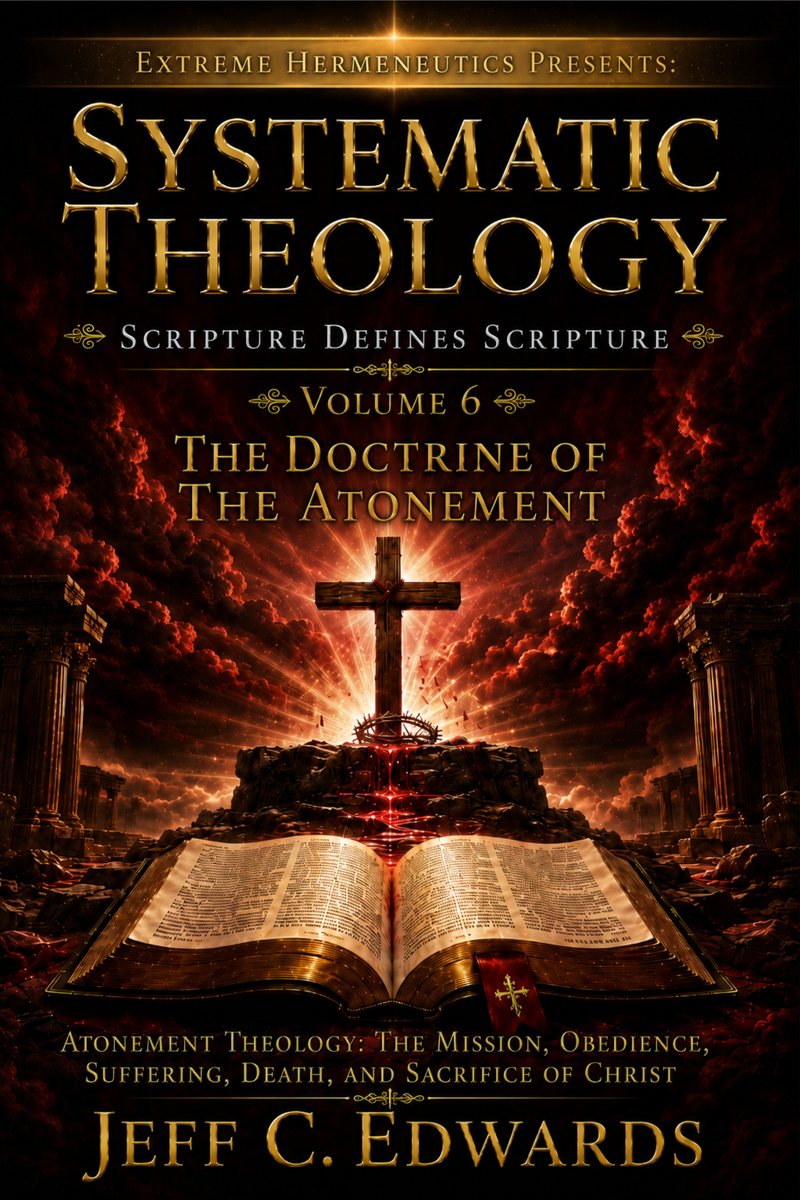
Jesus’ death cannot be explained as the tragic end of a good teacher or only as an example of sacrificial love. Scripture presents the cross as the saving work God purposed for sinners. Sin brings guilt, judgment, alienation, and death; Christ died as the righteous substitute who brings His people to God.
READ THE KEY PASSAGES
Begin with what
Scripture says.
Isaiah 53:5He was wounded for our transgressions, he was bruised for our iniquities: the chastisement of our peace was upon him.
Romans 3:25–26Whom God hath set forth to be a propitiation through faith in his blood... that he might be just, and the justifier of him which believeth in Jesus.
1 Peter 3:18For Christ also hath once suffered for sins, the just for the unjust, that he might bring us to God.
01
Sin required more than moral advice
Romans 3:23For all have sinned, and come short of the glory of God.
The Bible’s diagnosis is severe: all have sinned and come short of God’s glory. Sin is not merely ignorance or social harm. It is rebellion against the holy Creator, producing guilt that no human improvement can erase.
If sin were a small problem, the cross would be excessive. The death of the Son shows instead that human need is deeper than instruction. Sinners need forgiveness, righteousness, reconciliation, and deliverance from the judgment their sin deserves.
Jesus’ death was necessary because sin brings real guilt and death before a holy God. Forgiveness cannot rest on denial of justice.
02
Christ died in the place of sinners
Mark 10:45The Son of man came... to give his life a ransom for many.
Isaiah says the Servant was wounded for our transgressions and bruised for our iniquities. Peter says the just suffered for the unjust. These words do not treat Christ’s death as merely sympathy with suffering; they describe substitution.
Christ knew no sin. He did not die because He needed pardon. He gave Himself for those who did. At the cross, the innocent bears what the guilty could not bear and supplies what the guilty could never provide.
At the cross, Christ offered Himself willingly as the sinless substitute. His death is sufficient because of who He is and what He accomplished.
03
The cross upholds God’s justice
2 Corinthians 5:21For he hath made him to be sin for us, who knew no sin.
Romans says God set forth Christ as a propitiation through His blood so that He might be just and the justifier of the one who believes in Jesus. God does not forgive by declaring guilt insignificant. He deals with sin in the sacrifice of His Son.
This is why mercy and justice do not compete at the cross. The same act reveals the seriousness of God’s judgment and the depth of His love. Forgiveness is free to the believer, but it was not costless to the Savior.
The cross also defeats the claim of death and disarms accusation. It brings reconciliation, redemption, and peace with God.
04
The cross accomplishes a full salvation
Colossians 2:14Blotting out the handwriting of ordinances that was against us... nailing it to his cross.
Scripture speaks of Christ’s death as ransom, redemption, reconciliation, cleansing, victory, and peace with God. No single image exhausts the cross, but together they show a salvation that reaches guilt, alienation, bondage, and the accusing record against us.
The cross must be received by faith, not admired from a distance. Christ’s death becomes a ground of boasting for no one but Him. The saved sinner rests in the finished work of the crucified and risen Lord.
Christ’s death must never be separated from His resurrection. The risen Savior proves that His sacrifice was accepted and gives new life to His people.
PUT IT INTO PRACTICE
Questions for further reading.
- 01
Why does the Bible’s teaching about sin make the cross necessary?
- 02
How do Isaiah 53 and 1 Peter 3 describe substitution?
- 03
How does Romans 3 hold justice and mercy together at the cross?
Read patiently. Let God’s Word speak.
Jesus had to die because sin is truly guilty before a holy God, and only the righteous Son could bear sin, uphold justice, and bring sinners to God. The cross is God’s costly, sufficient provision received by faith.