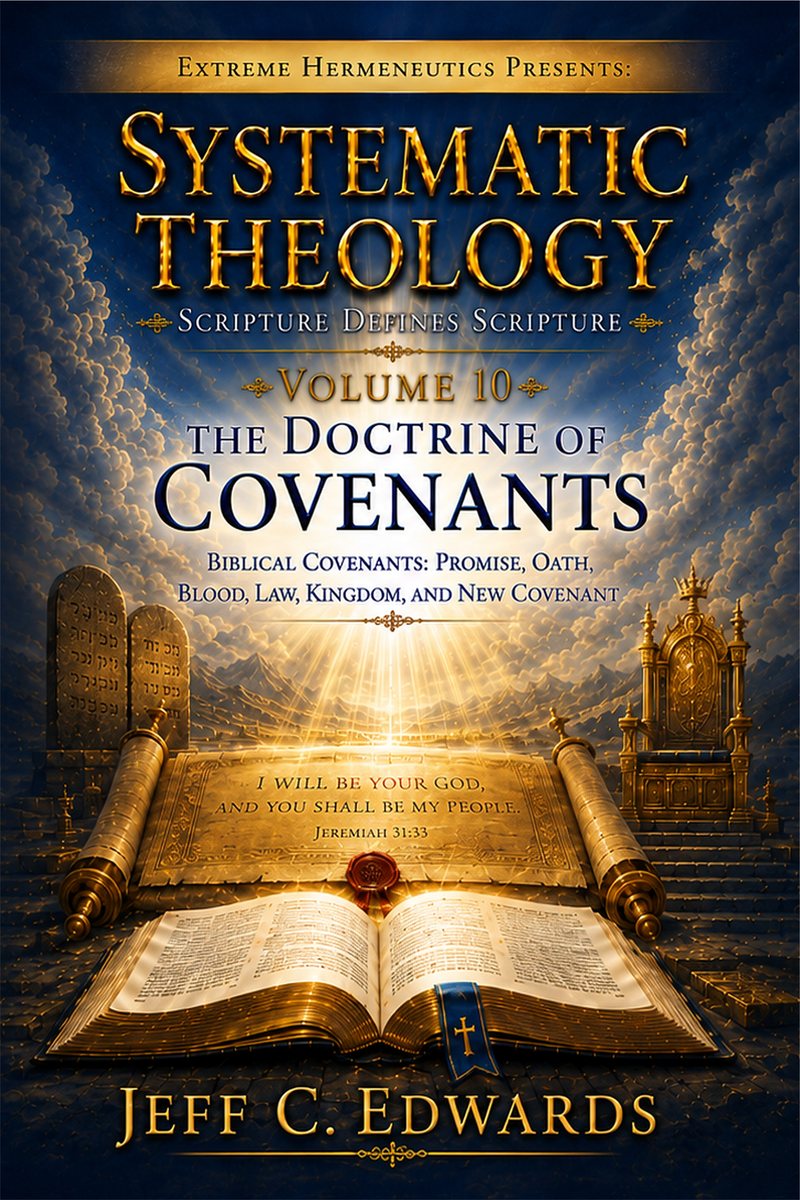
Scripture joins covenant, promise, and oath, but it does not make them interchangeable. God’s promises are certain because He is truthful. A covenant is a solemn arrangement God establishes and defines with its own parties, words, promises, obligations, signs, blessings, or judgments. An oath gives special assurance because God stoops to confirm His unchanging counsel.
READ THE KEY PASSAGES
Begin with what
Scripture says.
Genesis 15:18In the same day the LORD made a covenant with Abram, saying, Unto thy seed have I given this land.
Hebrews 6:17–18God, willing more abundantly to shew unto the heirs of promise the immutability of his counsel, confirmed it by an oath.
Galatians 3:17The covenant, that was confirmed before of God in Christ, the law... cannot disannul.
01
A promise is God’s truthful word
Numbers 23:19God is not a man, that he should lie.
God promises because He is faithful, not because a creature has forced His hand. The promise to Abram begins with God’s repeated ‘I will.’ Promise rests upon God’s character and points His people toward what He will accomplish.
A promise may be part of a covenant, but it should not be stripped from the wording and setting in which God gave it. Seed, land, blessing, forgiveness, kingdom, and restoration are not disposable details.
A promise is God’s pledged word; a covenant is a solemn relationship God establishes with particular parties, terms, purposes, and often signs or obligations. Promises may stand within a covenant, but the two words should not be flattened into the same idea.
02
A covenant has a defined biblical form
Genesis 12:2–3I will make of thee a great nation... and in thee shall all families of the earth be blessed.
God’s covenants are not vague religious themes. Scripture gives them real people, terms, signs, blood, blessings, curses, offices, and purposes. The Noahic covenant concerns creation after the flood; the Abrahamic covenant includes seed, land, and blessing; the New Covenant is established through Christ’s blood.
Because God defines each covenant, no later system may flatten them into one undifferentiated idea. Unity is real, but distinctions are real too.
God’s covenants must be read in their actual biblical form. Their stated people, land, seed, blessing, forgiveness, kingdom, and other details matter because God chose to speak them.
03
An oath confirms God’s certainty
Genesis 17:7I will establish my covenant between me and thee and thy seed after thee.
God swore by Himself because there is no greater by whom to swear. The oath does not repair a weak promise. It gives strong consolation to the heirs of promise by showing the immutability of God’s counsel.
This is why covenant doctrine finally rests on God’s character. He cannot lie, forget, or speak carelessly. His words must be heard as He gave them.
When God confirms His promise by oath, He is not strengthening a doubtful word. He is giving His people added assurance that His counsel is immutable and that hope rests in His character.
04
Christ fulfills without cancelling
Luke 22:20This cup is the new testament in my blood.
Christ is central to every saving purpose of God. He establishes the New Covenant in His blood, brings blessing to the nations, and fulfills the promises God has given. Yet fulfillment does not mean that God’s earlier words become false or empty.
The right question is not whether a promise can be made spiritual. It is how Scripture itself connects the covenant word to Christ and its appointed fulfillment.
Faithful interpretation does not use spiritual language to dissolve a promise that has become inconvenient. God’s fulfillment in Christ confirms every word He has spoken and never makes Him less truthful.
PUT IT INTO PRACTICE
Questions for further reading.
- 01
What does God actually promise in the passage you are reading?
- 02
What people, signs, obligations, or blessings define the covenant?
- 03
How does Christ fulfill the covenant without making God’s earlier words untrue?
Read patiently. Let God’s Word speak.
A promise is God’s truthful commitment; a covenant is the solemn, God-defined arrangement in which He gives particular commitments and terms; and an oath confirms the certainty of His word. All must be read in their biblical setting and traced to Christ without cancellation.