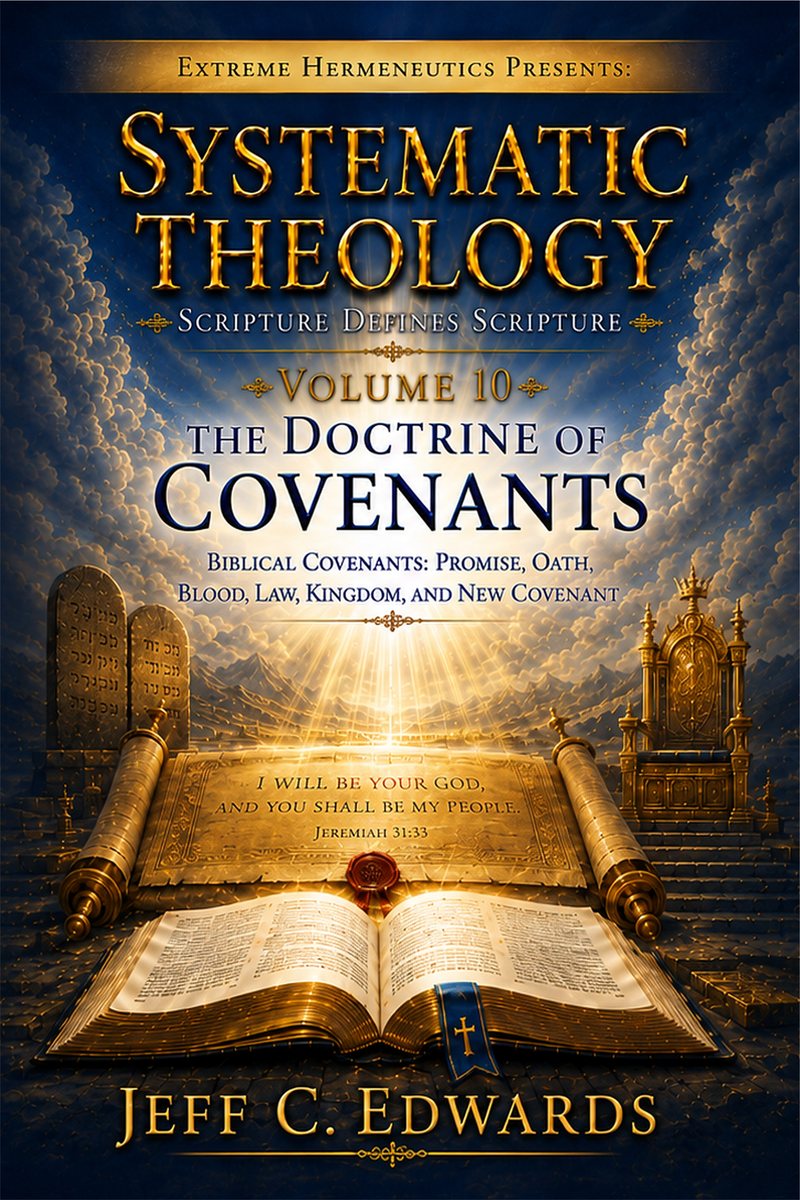
A biblical covenant is not a loose religious theme that can mean whatever a later reader needs it to mean. Scripture records God making definite commitments in history. Those covenants have words, people, promises, obligations, signs, blessings, judgments, and a place in God’s unfolding purpose. We begin with the covenant God actually gives before moving to later fulfillment.
READ THE KEY PASSAGES
Begin with what
Scripture says.
Genesis 12:2–3And I will make of thee a great nation, and I will bless thee... and in thee shall all families of the earth be blessed.
2 Samuel 7:16And thine house and thy kingdom shall be established for ever before thee: thy throne shall be established for ever.
Jeremiah 31:33I will put my law in their inward parts, and write it in their hearts; and will be their God, and they shall be my people.
01
God’s covenants reveal His faithfulness
Genesis 9:11I will establish my covenant with you; neither shall all flesh be cut off any more by the waters of a flood.
Covenants are one way God makes His purposes known in the history of redemption. After the flood, God promised Noah that He would not again destroy all flesh with a flood. With Abraham, He joined seed, land, nation, and blessing. With David, He promised a house, throne, kingdom, and enduring son. Through Jeremiah, He promised forgiveness and inward renewal.
These are not accidental details. They show that the God who cannot lie acts in history according to His word. A covenant may include commands and judgments, but its meaning cannot be settled by a later system that ignores the terms God Himself stated.
02
Each covenant must be read in its setting
Genesis 17:7–8I will establish my covenant between me and thee and thy seed after thee... and I will give unto thee... all the land of Canaan, for an everlasting possession.
The Noahic covenant addresses a world preserved after judgment. The Abrahamic covenant speaks of Abraham and his seed, land, nation, and blessing to the families of the earth. The Mosaic covenant governs Israel’s life under the law. The Davidic covenant directs hope toward a royal Son and kingdom. The New Covenant promises forgiveness, a new heart, and the work of the Spirit.
Recognizing distinctions does not divide the Bible into unrelated plans. It prevents readers from flattening what Scripture distinguishes. The covenants belong to one unfolding story, yet they do not all say the same thing or make the same requirements.
03
Christ is central to covenant fulfillment
Exodus 19:5Now therefore, if ye will obey my voice indeed, and keep my covenant, then ye shall be a peculiar treasure unto me.
Jesus is not a rival to God’s earlier promises. He is the promised Seed, the Son of David, the perfect sacrifice, and the mediator of the New Covenant. At the Supper, He spoke of the New Covenant in His blood. His death supplies the forgiveness and access to God that sinners could never obtain by their own obedience.
Christ’s centrality does not make the earlier covenants empty shells. He fulfills what God promised; He does not expose God’s words as temporary language for something unrelated. The reader should trace how Scripture connects promise, the person of Christ, His atoning work, and the future God declares.
04
Covenants protect careful interpretation
Luke 22:20This cup is the new testament in my blood, which is shed for you.
Covenant reading asks practical questions. To whom did God speak? What did He promise? What conditions, signs, blessings, or judgments did He name? How do later Scriptures quote, explain, or develop that covenant? These questions slow down the habit of assigning a familiar phrase a new meaning because it serves a preferred system.
Covenants display the faithfulness of God. They show that salvation, kingdom hope, forgiveness, judgment, and the future are governed by His word. The reader can receive the whole counsel of God without making later revelation cancel what God has already said.
PUT IT INTO PRACTICE
Questions for further reading.
- 01
What specific promises and people belong to the covenant passage you are reading?
- 02
Why should the Abrahamic, Mosaic, Davidic, and New Covenants not be treated as identical?
- 03
How does Christ fulfill covenant promises without making God’s earlier words untrue?
Read patiently. Let God’s Word speak.
A biblical covenant is God’s own commitment, given in real history and expressed in real words. Christ is central to its fulfillment, and God’s faithfulness is honored when each covenant is heard in its setting and traced through the whole counsel of Scripture.