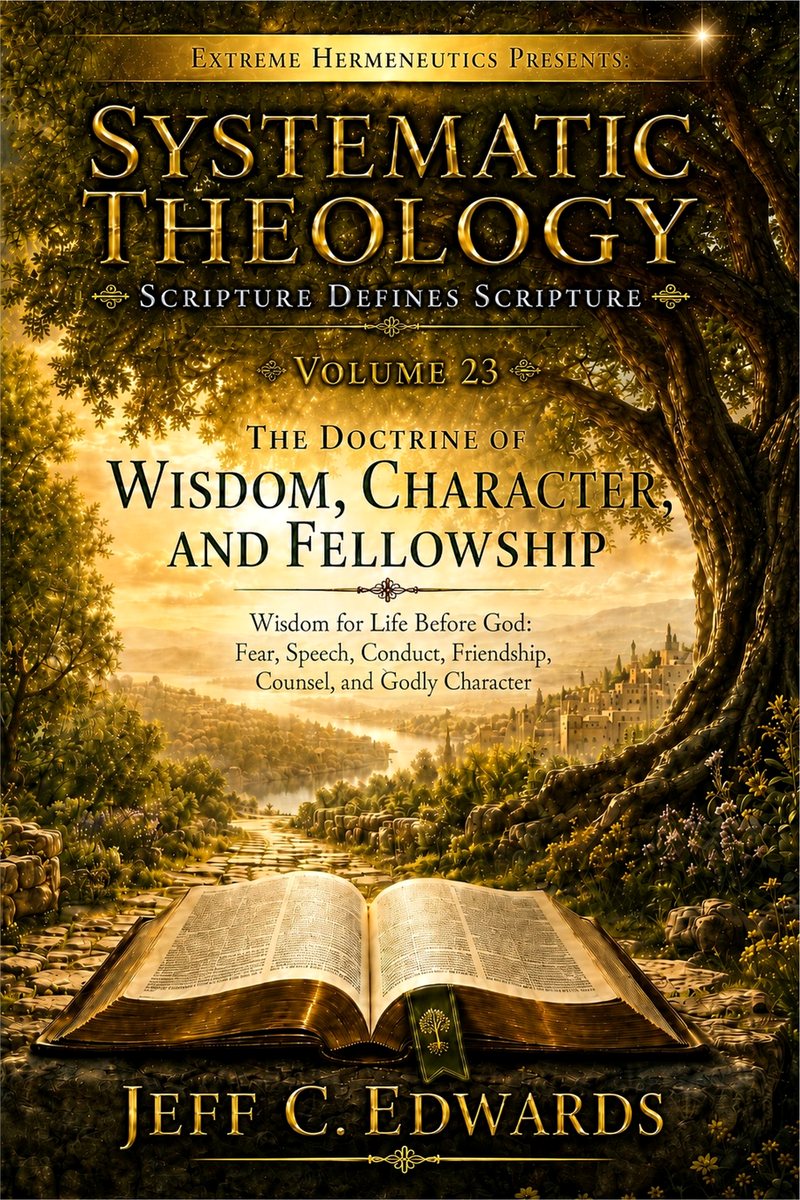
To fear the Lord is not to live in permanent panic that God might reject everyone who comes near. Scripture joins the fear of the Lord to knowledge, wisdom, confidence, refuge, and life. It is the fitting response of a creature to the holy, righteous, all-knowing God who has revealed Himself and who receives His people through mercy.
READ THE KEY PASSAGES
Begin with what
Scripture says.
Proverbs 1:7The fear of the LORD is the beginning of knowledge: but fools despise wisdom and instruction.
Proverbs 14:26–27In the fear of the LORD is strong confidence: and his children shall have a place of refuge. The fear of the LORD is a fountain of life, to depart from the snares of death.
Ecclesiastes 12:13Fear God, and keep his commandments: for this is the whole duty of man.
01
Fear begins with knowing who God is
Proverbs 9:10The fear of the LORD is the beginning of wisdom: and the knowledge of the holy is understanding.
Biblical fear grows out of reality. God is not a larger version of man. He is holy, true, righteous, merciful, and sovereign. When Isaiah saw the Lord high and lifted up, he saw his own uncleanness in the light of God’s holiness.
This reverence is the beginning of wisdom because it places man beneath the right authority. The fool despises wisdom and instruction because he wishes to be his own measure. The person who fears the Lord receives correction and refuses to call good and evil matters of personal taste.
02
Godly fear is clean, not servile terror
Psalm 19:9The fear of the LORD is clean, enduring for ever.
The Psalms call the fear of the Lord clean and enduring. Sinful fear distorts judgment: it may make people worship approval, wealth, danger, or human power. Godly fear puts every lesser fear in its place. David could say, ‘What time I am afraid, I will trust in thee.’
A believer does not approach an unknown deity. Through Christ, he knows the God whose holiness he fears as the God who is faithful and merciful. Therefore reverence and confidence are not enemies. Proverbs can call the fear of the Lord strong confidence because the One before whom His people bow is also their refuge.
03
Fear of the Lord turns a person from evil
Proverbs 16:6By mercy and truth iniquity is purged: and by the fear of the LORD men depart from evil.
Proverbs says that by the fear of the Lord men depart from evil. The point is not that fear earns forgiveness. Reverence gives moral weight to conduct when no human observer is present. Joseph’s answer to temptation was that he would sin against God.
Speech, money, work, sexual purity, honesty, and private habits are no longer governed merely by consequence or reputation. The fear of the Lord exposes excuses because His knowledge reaches the heart. It also guards from pride, since every ability and opportunity is received from Him.
04
Reverence leads to humble obedience
Psalm 56:3What time I am afraid, I will trust in thee.
Fear of the Lord does not end in a feeling. Ecclesiastes joins fearing God with keeping His commandments. A person who receives God as God cannot treat His Word as a suggestion to be revised whenever obedience becomes costly.
This obedience is neither mechanical nor self-saving. It flows from a heart that has learned whom it serves. The fear of the Lord makes a believer teachable and willing to accept temporal loss rather than gain through disobedience.
PUT IT INTO PRACTICE
Questions for further reading.
- 01
Why does Scripture place the fear of the Lord at the beginning of wisdom?
- 02
How can Proverbs join fear with confidence and refuge?
- 03
Where does fear of man most easily compete with the fear of the Lord in daily life?
Read patiently. Let God’s Word speak.
The fear of the Lord is reverent submission to the God who is holy and faithful. It directs the believer away from lesser fears, toward refuge in God, and into the wise obedience His Word requires.