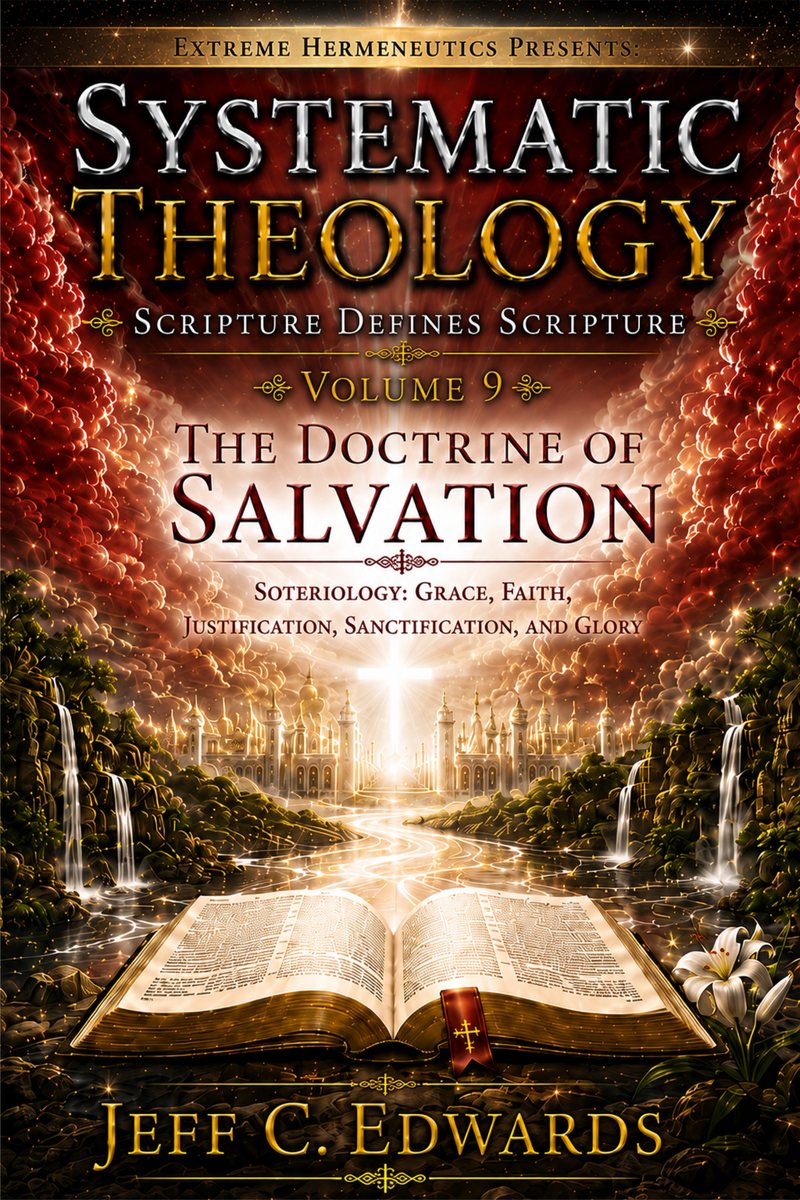
Justification answers a question no sinner can evade: how can the guilty stand righteous before a holy God? Scripture does not answer by lowering God’s standard or by making a person’s religious performance sufficient. It directs us to Christ, whose saving work is received by faith.
READ THE KEY PASSAGES
Begin with what
Scripture says.
Romans 3:24Being justified freely by his grace through the redemption that is in Christ Jesus.
Romans 4:5To him that worketh not, but believeth on him that justifieth the ungodly, his faith is counted for righteousness.
Galatians 2:16A man is not justified by the works of the law, but by the faith of Jesus Christ.
01
The need is guilt before God
Romans 3:23For all have sinned, and come short of the glory of God.
Paul’s argument in Romans does not begin with people who need only a better self-image. All have sinned and come short of God’s glory. The law cannot erase that guilt; it exposes it. A person may compare himself favorably with others, but justification concerns standing before the Judge of all the earth.
This keeps the subject from becoming vague. We do not need merely encouragement or a fresh start. We need a righteous standing that we do not possess by nature and cannot produce by works.
The question is judicial before it is emotional: how can the guilty stand accepted before the holy Judge? Only Christ answers that question.
02
God remains just while justifying sinners
Romans 3:26That he might be just, and the justifier of him which believeth in Jesus.
At the cross, God did not overlook sin as though it were unimportant. Romans says Christ was set forth to declare God’s righteousness, so that He might be just and the justifier of the one who believes in Jesus. Forgiveness rests on a costly redemption, not on divine indifference.
Christ knew no sin, yet He was made sin for us so that believers might be made the righteousness of God in Him. The ground of justification is not faith as a worthy work. It is Christ’s finished work. Faith receives the Savior and rests in Him.
Faith has no merit that could purchase righteousness. Its strength lies in the Savior it receives, whose blood and righteousness are sufficient.
03
Faith excludes boasting, not holiness
2 Corinthians 5:21For he hath made him to be sin for us, who knew no sin; that we might be made the righteousness of God in him.
Romans 4 is plain: the one who does not work but believes on Him who justifies the ungodly is counted righteous. Abraham’s standing was not earned by works, ritual, ancestry, or law keeping. The gospel leaves no room for boasting before God.
That does not mean works are irrelevant to Christian life. Justification and sanctification must not be confused. Works cannot become the ground of acceptance, but saving grace produces a life of obedience. Fruit follows a living faith; it does not replace Christ as the sinner’s righteousness.
Good works belong to the life of the justified person, but they cannot be allowed to slip back into the foundation of his peace with God.
04
Justification gives peace with God
Romans 5:1Therefore being justified by faith, we have peace with God through our Lord Jesus Christ.
The result is more than a new religious label. Being justified by faith, believers have peace with God through the Lord Jesus Christ. The former enemy is reconciled. The conscience is directed away from a record it can never perfect and toward the righteousness God gives in His Son.
This peace should make a believer humble, grateful, and secure in Christ—not careless about sin. The Judge who justifies the ungodly is also the Father who disciplines His children and calls them into holiness.
Peace with God changes the conscience. A believer obeys from acceptance in Christ, rather than attempting to earn acceptance through obedience.
PUT IT INTO PRACTICE
Questions for further reading.
- 01
Why can no work of the law establish a sinner’s righteousness before God?
- 02
How does the cross show that God is both just and the justifier?
- 03
Why must justification be kept distinct from the believer’s growth in holiness?
Read patiently. Let God’s Word speak.
To be justified by faith is to be declared righteous before God through Christ, not through works of the law. Faith does not earn that standing; it receives the Savior whose righteousness and redemption alone answer human guilt.